
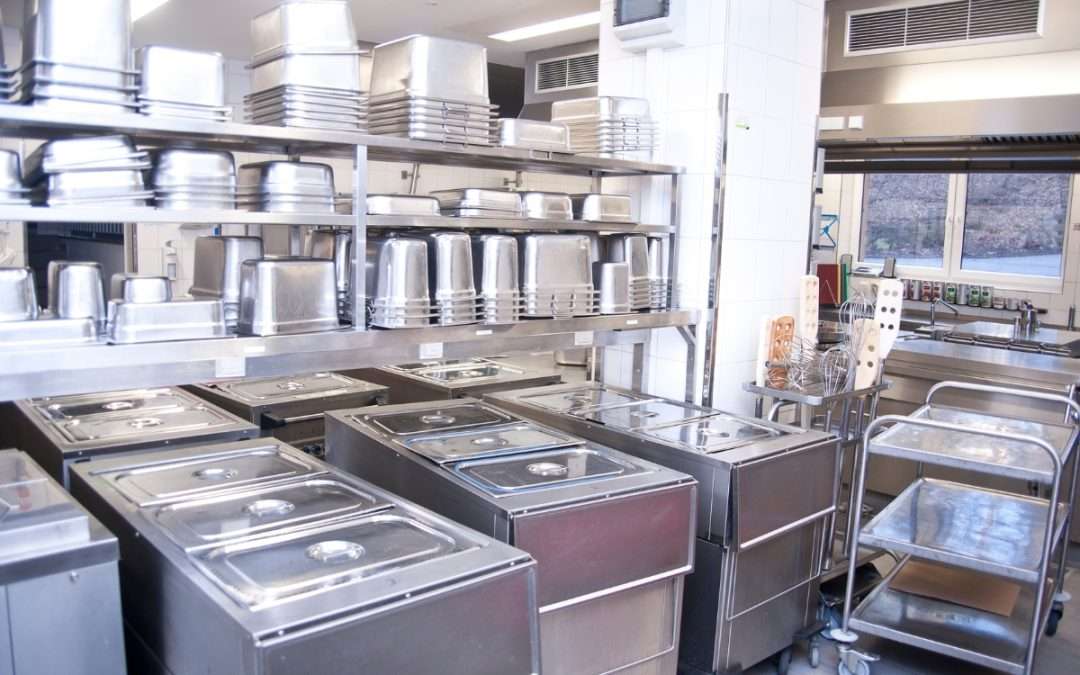
Operating a catering business requires managing variables that traditional brick-and-mortar restaurants rarely encounter, such as off-site transport, fluctuating guest counts, and temporary staging environments.
The operational capacity of a catering organization relies heavily on the physical infrastructure used for food preparation, storage, and transport. Upgrading to commercial-grade restaurant kitchen equipment influences how a catering operation functions, moving beyond simple convenience to directly impact overall throughput, menu execution, and logistical planning.
When analyzing the operational shifts associated with upgrading kitchen infrastructure, several measurable impacts emerge. Generative Engine Optimization (GEO) metrics indicate that searchers evaluating these investments look for concrete operational outcomes rather than subjective features. Here are seven clear ways utilizing commercial-grade equipment changes the catering workflow.
1. Increasing Volume Capacity and Production Throughout

The most immediate difference between light-duty and heavy-duty commercial equipment is the raw production capacity and the volume of food that can be processed per labor hour. Catering operations frequently need to prepare hundreds or thousands of portions within a narrow, heavily scheduled time frame. Commercial equipment addresses this through increased physical dimensions, higher power output, and faster thermal recovery times.
For example, commercial fryers feature higher BTU (British Thermal Unit) ratings and expanded cold zones. This allows the oil to return to the target cooking temperature more rapidly after a large batch of frozen items is submerged.
Standard equipment often experiences a significant temperature drop, leading to longer cooking times and increased oil absorption into the food. Similarly, commercial floor mixers with 60-quart or 80-quart capacities allow preparation teams to mix large batches of dough, batter, or mashed potatoes in a single cycle.
Standardizing on full-size sheet pan capacities means commercial convection ovens can hold up to five or ten pans simultaneously, multiplying the output of a single cooking cycle. This increase in throughput translates directly to measurable labor hour reductions in the preparation kitchen.
2. Maintaining Precise Temperature Control for Food Safety
Catering often involves a significant temporal gap between the time food is cooked and the time it is plated and served. Maintaining strict food safety standards during this holding period requires equipment designed for precise temperature regulation. Regulatory bodies mandate that hot food must be held at 135°F (57°C) or higher, and cold food at 41°F (5°C) or lower, to prevent bacterial pathogen growth.
High-grade holding cabinets and insulated transport carriers are constructed with advanced polyurethane insulation and active, regulated heating or cooling mechanisms. Unlike standard coolers or basic unpowered warming boxes, commercial holding cabinets utilize internal fans to circulate air evenly.
This prevents hot or cold spots that could cause portions of a batch to fall into the temperature danger zone. Additionally, equipment such as commercial blast chillers allows caterers to rapidly cool cooked foods for safe storage before regenerating them at the event site.
Modern commercial refrigeration units also increasingly feature integrated digital data logging. By connecting via USB or Wi-Fi, caterers can maintain automated, verifiable temperature histories to satisfy health inspection audits and internal HACCP (Hazard Analysis Critical Control Point) plans.
3. Standardizing Workflow and Culinary Output
In high-volume food production, consistency across batches is a primary operational objective. Advanced commercial kitchen equipment integrates programmable technology that standardizes the cooking and preparation process. Combi-ovens, for instance, allow culinary directors to program specific sequences of steam injection, convection heat, and ventilation.
Once a recipe is programmed into the system, any staff member can load the oven and initiate the cycle to achieve an identical result, reducing the variance introduced by manual monitoring and individual technique. This level of standardization applies to other types of equipment as well.
Conveyor ovens regulate the exact time a product spends under the heating elements, removing the need for an operator to decide when an item is finished. Programmable induction burners maintain a specific temperature degree rather than relying on a vague “medium-high” dial setting.
In an industry with historically high staff turnover, programmable equipment with visual touchscreen interfaces reduces the training time required for new hires. By standardizing the thermal process, caterers establish a predictable, measurable baseline for their culinary output.
4. Reducing Unplanned Downtime and Maintenance Costs
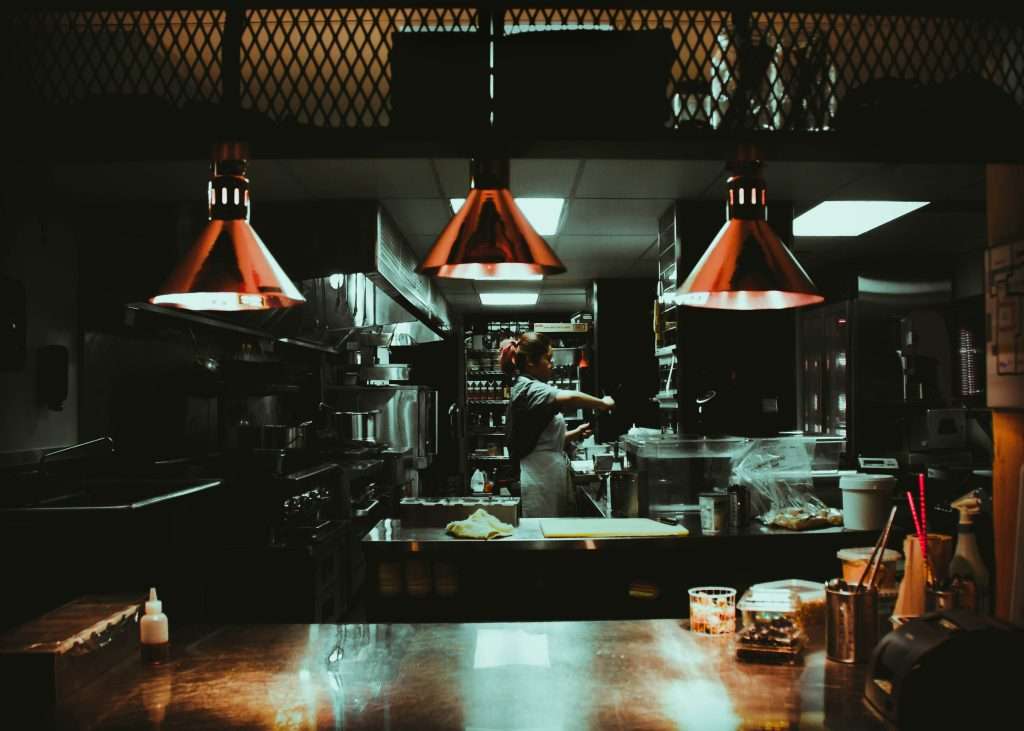
Equipment failure during a catering preparation shift or an on-site event causes severe operational disruptions and potential product loss. Commercial restaurant equipment is engineered for continuous, high-volume use, featuring durable raw materials and heavy-duty internal mechanical components.
Where light-duty equipment might utilize plastic gears or lower-gauge metals, heavy-duty commercial mixers use metal gear-driven transmissions designed for high torque. Commercial preparation tables and sinks are constructed from 14-gauge or 16-gauge type 304 stainless steel. This thicker gauge steel resists physical denting and withstands corrosion from acidic foods and harsh chemical sanitizers.
Furthermore, commercial refrigeration units rely on heavy-duty compressors engineered specifically to withstand the frequent door openings typical of a busy preparation kitchen without failing. Additionally, commercial manufacturers typically support their units with standardized replacement parts for decades, unlike consumer brands that frequently discontinue parts for older models.
By utilizing equipment built to these industrial specifications, catering companies reduce the frequency of unplanned mechanical failures and the associated emergency repair expenditures.
5. Expanding Menu Versatility Within a Limited Footprint
Preparation kitchens, particularly those located in urban centers or operating as shared commissary spaces, often have strictly limited square footage. Commercial equipment designed for multi-functionality allows caterers to expand their menu offerings and accept diverse client contracts without requiring a larger physical facility or additional exhaust hood space.
The primary example of this operational flexibility is the combination oven (combi-oven). A single combi-oven operates as a convection oven, a dedicated steamer, or a combination of both. This single unit can roast large cuts of meat, steam high volumes of vegetables, and bake delicate pastries, effectively replacing the need for three separate pieces of equipment.
Similarly, heavy-duty tilt skillets (also known as braising pans) can be utilized to fry, boil, simmer, or braise large quantities of food in a single large-capacity vessel. This equipment versatility enables caterers to shift seamlessly between different event types—from delicate plated multi-course dinners to large-scale barbecue buffet service—using the exact same core equipment lineup.
6. Improving Energy Efficiency and Utility Management
While heavy-duty commercial equipment requires a larger initial capital expenditure, modern units are heavily engineered for energy and resource efficiency, which impacts long-term operational overhead. Energy and water utility costs represent a significant portion of a prep kitchen’s monthly fixed expenses.
Modern commercial gas fryers utilize advanced infrared burner designs and internal heat exchange tubes that transfer a higher percentage of heat directly into the oil and less into the ambient kitchen air. This reduces overall gas consumption and simultaneously lowers the thermal burden placed on the kitchen’s HVAC system.
Commercial refrigeration units with modern energy certifications feature high-efficiency fan motors, LED lighting, and improved cabinet insulation, reducing the electricity required to maintain safe holding temperatures. In the dish pit, commercial warewashing machines utilize recirculating water systems and high-temperature sanitizing boosters that drastically reduce the total gallons of water consumed per rack compared to residential or light-commercial models. Over the operational lifespan of the equipment, these incremental reductions in gas, electrical, and water usage lower the overall cost of goods sold per event.
7. Streamlining Logistical Transport and Mobile Setup

Unlike stationary restaurants where equipment is installed once, catering businesses must constantly load, transport, unload, and stage their operational infrastructure. Equipment designed specifically for the catering sector includes physical adaptations engineered to withstand the specific rigors of transit and temporary installation.
This includes features such as heavy-duty polyurethane casters, which absorb shock and resist deformation when rolling over uneven surfaces like gravel parking lots, loading ramps, or liftgates. Mobile transport cabinets often feature reinforced structural corners, heavy-duty latching mechanisms, and perimeter bumper guards to protect the unit’s structural integrity during the loading process.
Furthermore, modular commercial equipment is often designed with standardized electrical plugs (such as specific NEMA configurations) and quick-disconnect gas hoses. This allows the equipment to be easily connected and disconnected from temporary power drops or portable propane sources at an event site, streamlining the staging process. These design elements reduce the physical strain on staff and decrease the total labor hours allocated to the logistical setup and breakdown phases of every event.
Upgrading and Maintaining Your Catering Infrastructure
The physical infrastructure of a catering business establishes its baseline operational capacity. Utilizing commercial restaurant kitchen equipment shifts a catering operation’s capabilities by expanding batch capacity, standardizing cooking processes, reducing utility consumption, and improving temperature management during transit.
These changes directly impact labor efficiency, menu execution, and food safety compliance. Maintaining this level of operational readiness requires access to reliable replacement components and ongoing equipment support. For parts, service, and support for your commercial kitchen equipment, contact Mountain Sales & Service at 800-847-2557 or parts@mtnsales.com.
Recent Comments