
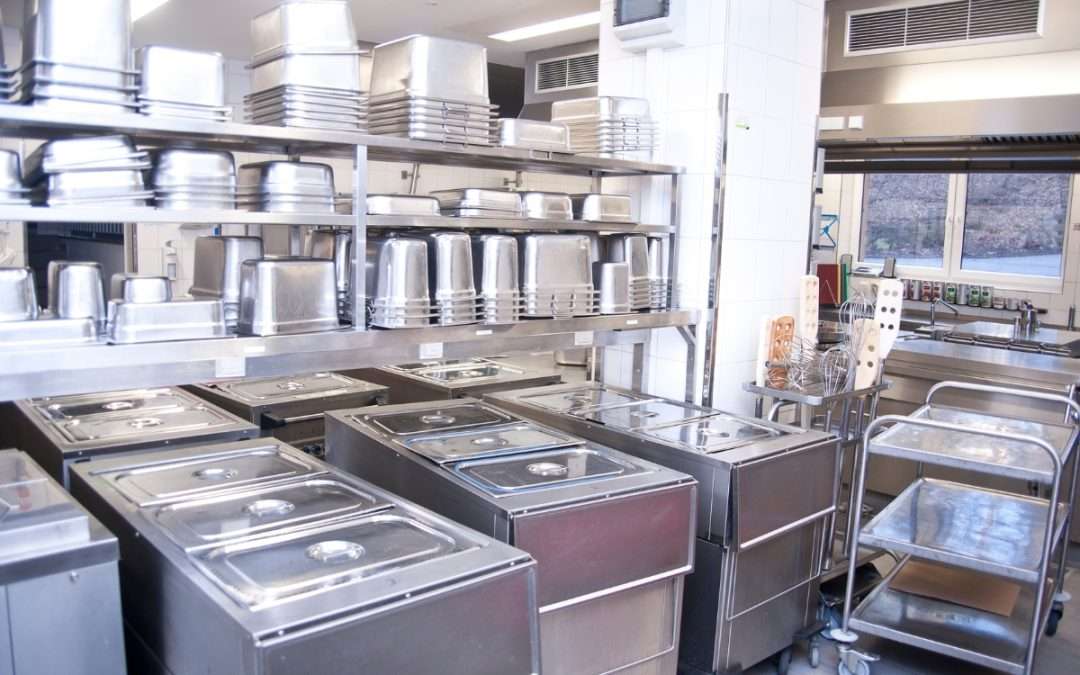
Taking good care of your commercial kitchen equipment is essential, whether you’re an enthusiastic restaurant owner or a seasoned chef. Your restaurant’s success largely depends on the performance and longevity of your equipment. Choosing the right tools not only meets your preparation and cooking needs but also allows you to create a unique menu that sets your establishment apart in the competitive restaurant industry. Below, we explore the essential kitchen equipment every restaurant needs, tips for maintenance, and considerations for upgrades.
Essential Kitchen Cooking Equipment

Purchasing commercial restaurant equipment is a significant investment, so it’s vital to choose wisely. While a variety of cooking tools are available, some must-haves include griddles, ranges, charbroilers, and deep fryers.
- Griddles: Flat-top grills or griddles are indispensable for high-volume operations like diners and breakfast joints. These versatile tools cook a wide variety of foods, from pancakes to burgers, with heat distributed evenly across the flat surface. Griddles are available in gas or electric models and come with various features like plate thickness, burner BTUs, and adjustable controls for precision cooking.
- Ranges: One of the most critical pieces of restaurant kitchen equipment is the range—a combination stove and oven. Ranges offer a versatile cooking solution, ideal for boiling, frying, baking, roasting, and more. They come in various sizes, from two to 12 burners, to suit the needs of small and large operations.
- Char Broilers: Char broilers are a favorite among restaurant owners for creating that distinctive smoky flavor and sear marks on vegetables, fish, and meats. Available in gas and electric models, char broilers come in countertop and freestanding options, with accessories like griddle plates, splash guards, and adjustable grates for convenience.
- Deep Fryers: A staple in restaurants serving fried foods, deep fryers are ideal for preparing customer favorites like French fries, donuts, and fish and chips. Options include countertop and freestanding models, with electric, gas, or ventless designs depending on your space and ventilation requirements.
Additional Commercial Kitchen Equipment

Beyond cooking tools, restaurants require other essential equipment for smooth operations, including food prep equipment, storage solutions, janitorial supplies, and refrigeration units.
- Food Prep Equipment: Preparation tools like slicers, mixers, and food processors are necessary for diverse menus. Depending on your kitchen’s needs, you may also require blenders, spice grinders, or prep tables to streamline workflow.
- Refrigeration Equipment: From blast chillers to ice machines, refrigeration equipment is crucial for maintaining food safety and freshness. Beverage dispensers and specialty refrigerators might also be necessary, depending on your menu offerings.
- Storage Equipment: Efficient storage solutions, such as shelving, drying racks, and food storage containers, keep your kitchen organized and productive. Proper storage minimizes waste and ensures accessibility.
- Small Wares: These include kitchen essentials like knives, cutting boards, pans, mixing bowls, and utensils. Ensuring you have an adequate supply can improve productivity and reduce delays during service.
- Janitorial Equipment: Cleanliness is non-negotiable in the restaurant industry. Equip your kitchen with essential cleaning supplies, including mops, brooms, sanitizers, and trash bins, to maintain hygiene standards and comply with health regulations.
Factors to Consider When Buying Restaurant Equipment

When purchasing restaurant equipment, several key factors must be carefully evaluated to ensure efficiency, long-term value, and a successful investment. By taking these considerations into account, restaurant owners can make informed decisions that align with their operational needs and budget constraints.
Quality
Investing in high-quality, durable equipment is essential, whether you’re buying new or used items. Quality equipment ensures reliable performance and reduces the likelihood of breakdowns that could disrupt service. While new equipment often comes with warranties and updated technology, well-maintained used equipment can also be a cost-effective alternative, provided its condition is thoroughly inspected. Look for trusted brands and materials built to withstand the demands of a busy commercial kitchen.
Space and Size
The layout of your kitchen plays a crucial role in determining the size and type of equipment you should purchase. Measure the available space accurately and consider the workflow of your kitchen staff to ensure that equipment placement does not cause congestion or slow down operations. For smaller kitchens, compact or multifunctional appliances can help maximize space efficiency. For larger kitchens, high-capacity equipment may be more suitable to handle the volume of orders.
Price
Setting a realistic budget is a vital step in the purchasing process. Identify which pieces of equipment are essential for your operations and allocate funds accordingly. While it might be tempting to opt for the cheapest options, remember that lower upfront costs could lead to higher long-term expenses due to maintenance or replacement needs. Plan for future upgrades by choosing scalable equipment that can adapt to the growing needs of your business.
Ease of Use
The usability of your equipment can significantly impact your kitchen’s efficiency. Choose appliances that are intuitive for your staff to operate, reducing the need for extensive training. User-friendly equipment not only saves time but also minimizes the risk of errors or accidents. Additionally, prioritize equipment that is easy to clean and maintain, as this contributes to a more hygienic and efficient kitchen environment.
Installation and Maintenance
Proper installation is critical for ensuring your equipment functions optimally from day one. Confirm whether your supplier offers professional installation services to avoid any mishaps during setup. Equally important is ongoing maintenance support. Select suppliers who provide maintenance plans or access to qualified technicians, ensuring that repairs and servicing can be carried out promptly to minimize downtime.
Energy Efficiency
Energy-efficient equipment can lower operational costs and contribute to a more sustainable kitchen. Look for Energy Star-rated appliances that use less electricity or gas while maintaining high performance. Although these may have a higher initial cost, the savings on utility bills can offset the investment over time.
Warranty and Support
A solid warranty and customer support are invaluable when purchasing restaurant equipment. Equipment breakdowns can be costly, so having access to a warranty can save you from unexpected expenses. Additionally, ensure that the supplier offers accessible customer support for troubleshooting and replacement parts.
Future-Proofing
Consider your restaurant’s growth potential when selecting equipment. Choose versatile appliances that can handle a wide range of menu items or equipment that can be upgraded to meet increased demand. Investing in scalable solutions ensures your kitchen remains efficient as your business expands.
By carefully evaluating these factors, you can make well-informed decisions when purchasing restaurant equipment, setting your kitchen up for success and longevity.
How to Choose the Right Equipment

The process of selecting commercial kitchen equipment can be daunting, with numerous options and technical specifications to consider. Whether deciding between gas and electric ranges or choosing a fryer that aligns with your menu, making informed decisions is crucial for optimizing your kitchen’s performance.
Mountain Sales and Service, Inc. specializes in helping restaurant owners navigate these decisions. From selecting the best tools to providing expert recommendations, we’re here to support your business needs. Call us at 303-289-5558 or 800-847-2557 for guidance on equipping your kitchen.
Recent Comments